Valorant — gameplay
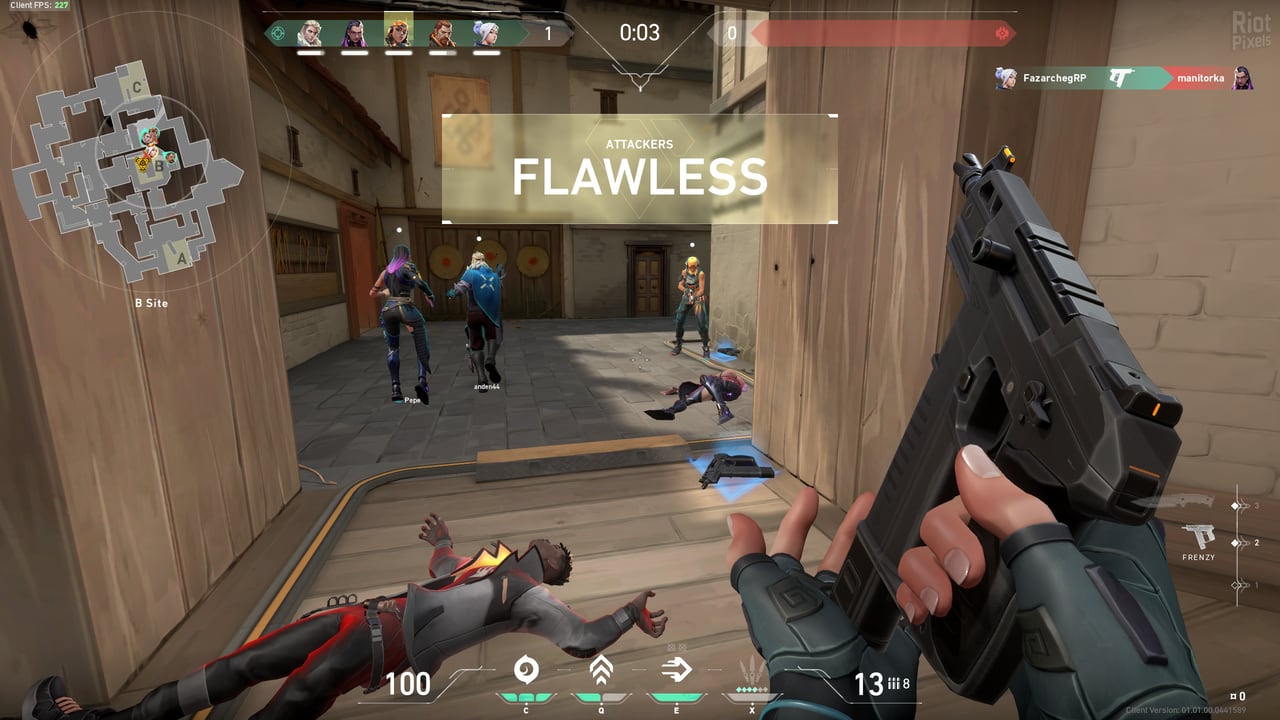
Official siteValorant is Riot Games' free-to-play tactical shooter, launched on 2 June 2020 and quickly became one of the defining competitive games of its generation. Riot both develops and publishes it, and from day one the pitch was audacious: take the razor-sharp gunplay that made classic counter-strike titles legendary, fuse it with a roster of character agents who each bring unique abilities, and build a shooter where a single clean headshot still ends a life. The result carved out its own corner of the genre — precise enough for purists, fresh enough to feel new — and grew into a global fixture on both PC and console.
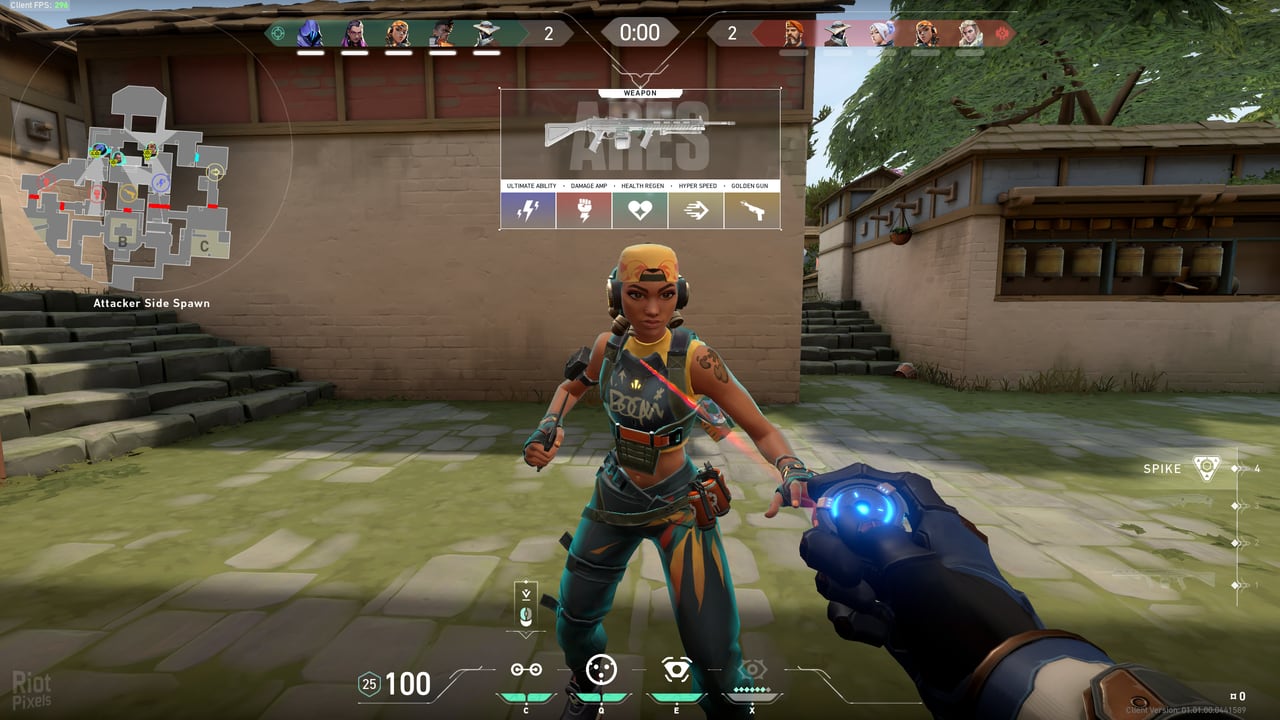
At its heart Valorant is a 5v5 contest of nerve and geometry. One side attacks and tries to plant the Spike — the bomb — while the other defends and races to defuse it, and every round plays out like a short, tense chess match. Buy phases turn the match into an economy game: teams weigh rifles, shields and abilities against the cost of a losing round, deciding when to push and when to save. Positioning, angle control and communication matter as much as raw reflexes, because a well-held sightline can shut down a site before a shot is fired.
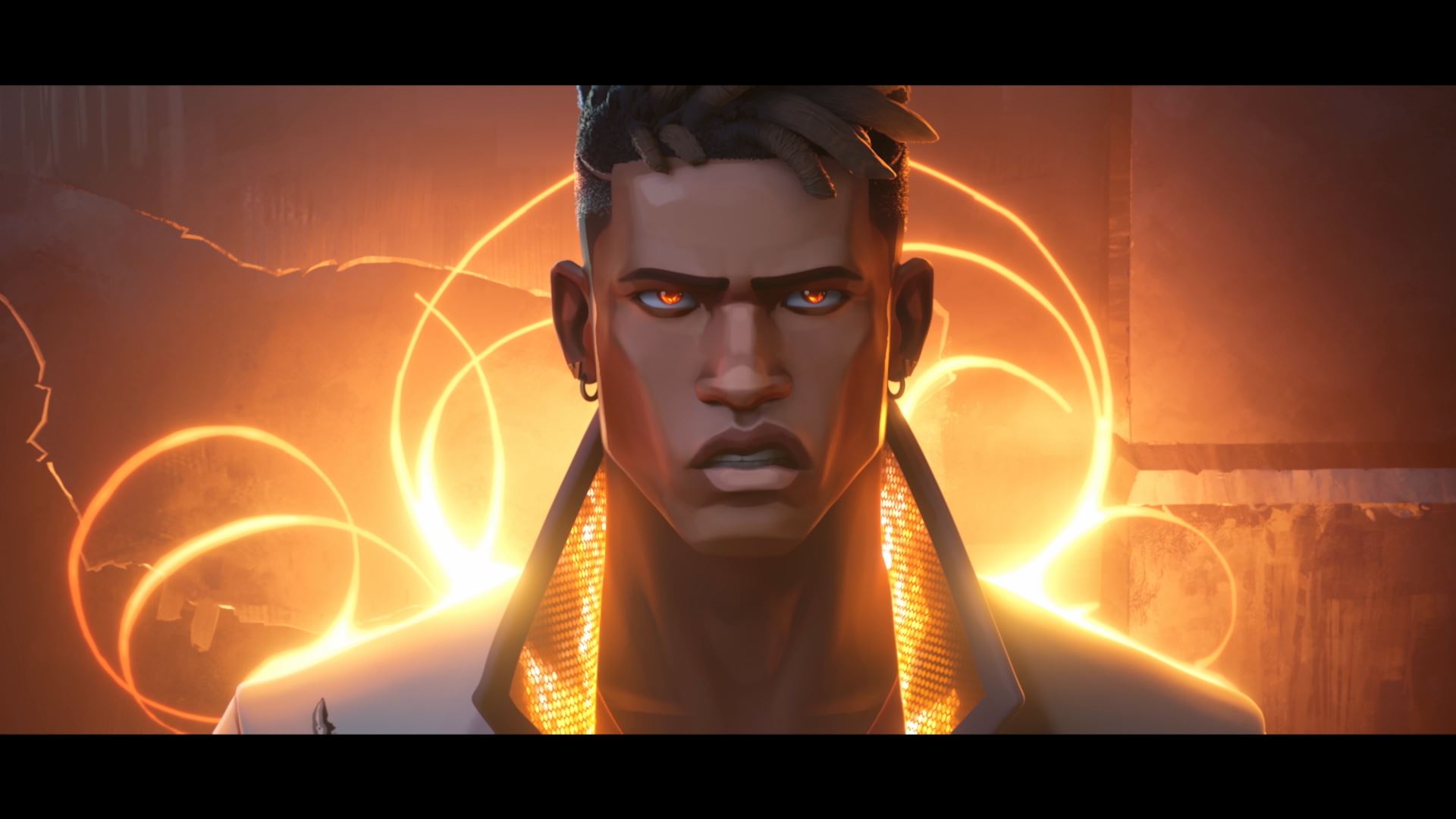
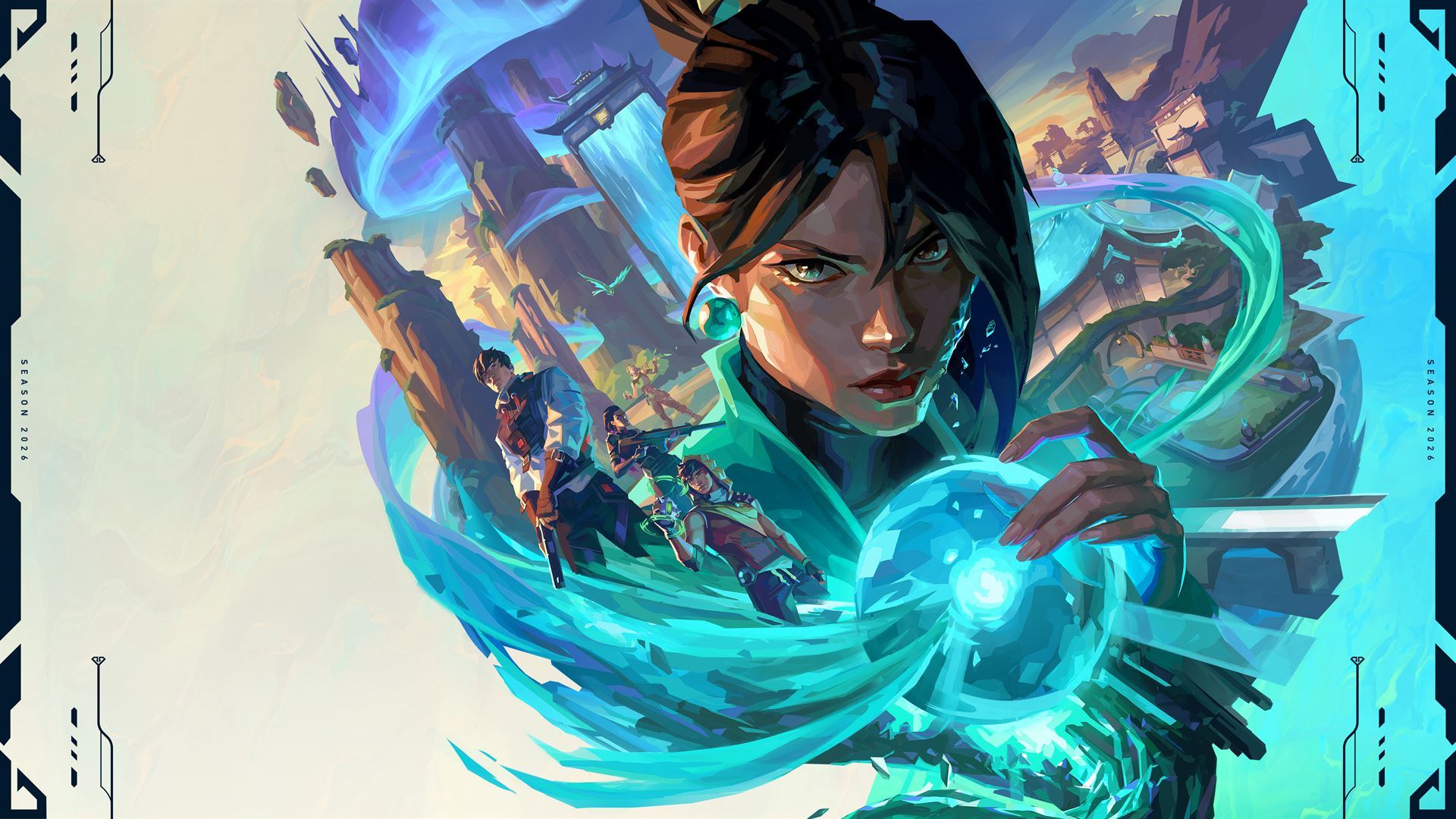
What sets Valorant apart is its agents. Duelists like Jett and Reyna are built to hunt frags and open space; Controllers like Omen and Brimstone smother sightlines with smoke; Initiators like Sova and Skye peel back defenses and feed their team intel; Sentinels like Killjoy and Cypher lock down territory and watch the flanks. Abilities never replace shooting — they set it up. Chaining a flash into an entry, or a smoke into a retake, turns each round into a miniature strategy, and maps with multiple plant sites keep the tactics varied.
Mastery is where the shooter reveals its depth. Spray control, peeker's-advantage timing and disciplined economy management separate a strong player from a casual one, and the ranked ladder from Iron to Radiant gives everyone a clear goal to chase. The game is approachable but has a towering skill ceiling: your first hours go into learning weapon recoil and a couple of agents' kits, yet hundreds of hours later there is always another habit to sharpen. Riot's steady stream of new agents, maps and seasons keeps the meta shifting, so the climb never quite feels finished.
Around all of this sits one of the fastest-growing esports scenes in the world. International tournaments and a nonstop feed of pro content give players a live model to copy: how an angle is held, when a retake is worth the risk, how the economy is spent on a bonus round. You don't have to chase a pro contract to benefit: reviewing a demo or watching a high-level match sharpens your read faster than almost anything, then sends you back to your own five-stack.
That competitive edge is exactly what a venue is for. At TIRA Gaming Arena, our gaming club in Sveti Vlas on the Bulgarian Black Sea coast — a short walk from Sunny Beach and Nesebar — Valorant is played the way it should be. The PC room runs 17 high-end stations built on the Ryzen 7 9800X3D and Radeon RX 9070 XT, with monitors up to 300 Hz, mechanical keyboards and precise mice, because in a tactical shooter every frame and every millisecond of latency decides whether a headshot lands. Prefer a controller? The console zone puts the game on a PlayStation 5 Pro and a 65-inch 4K screen. We're open 24/7, friends play side by side at neighbouring stations, and seats can be booked ahead — so gather your five-stack for a ranked session after the beach or a long overnight scrim, and come prove who owns the site.
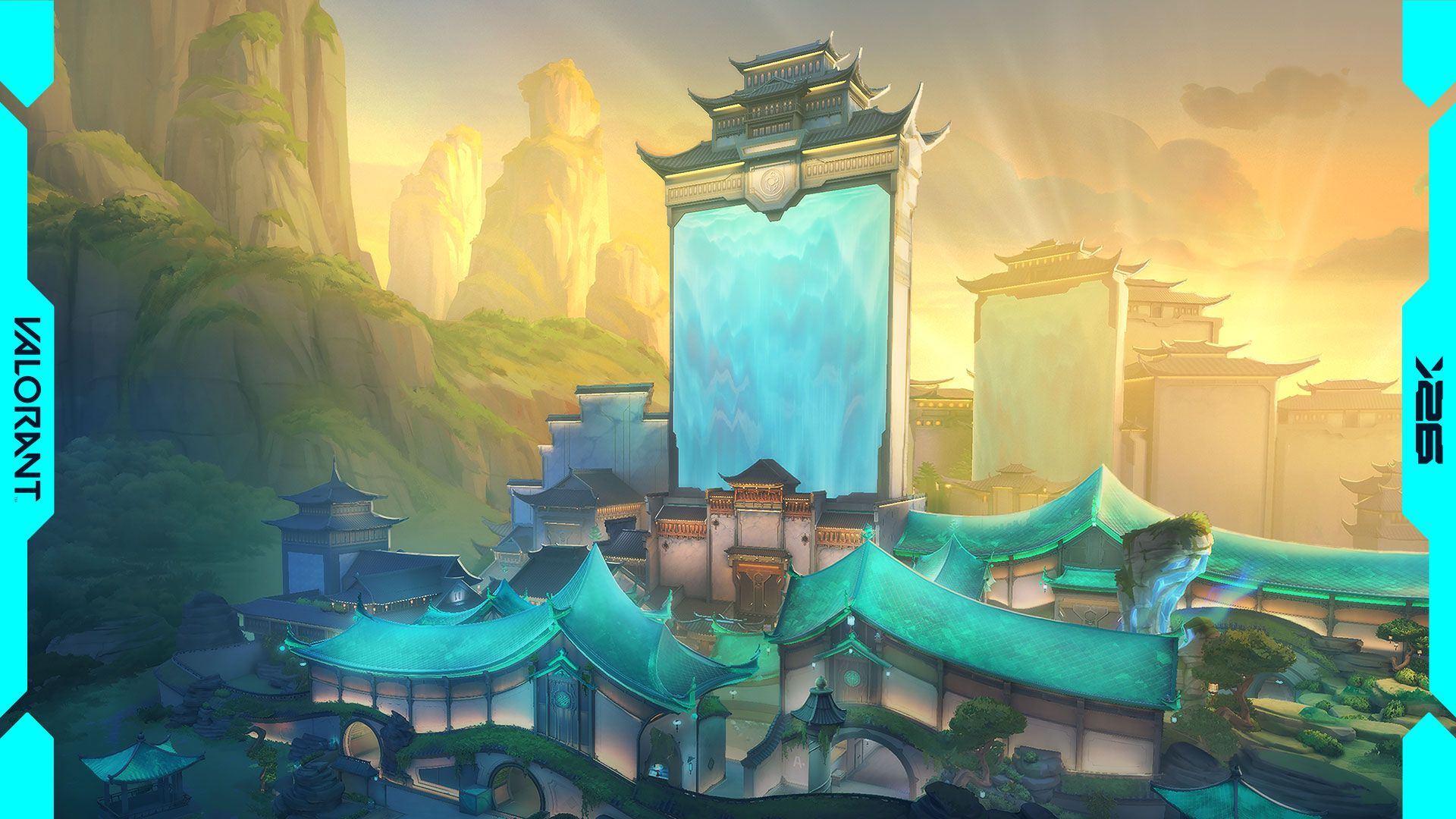
Screenshots